Section 127 Educational Assistance: Get Your Employer to Pay for PM Training
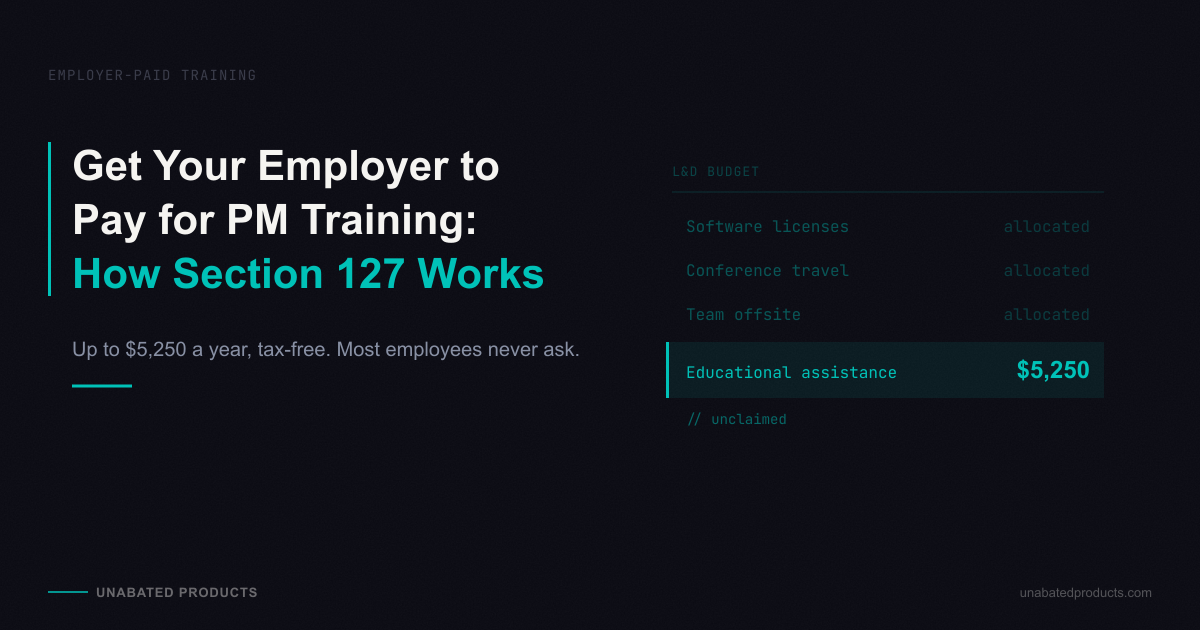
Section 127 educational assistance can cover $5,250 of PM training tax-free. How to find your company's plan, the email to send, and what to do if they say no.
We use cookies to improve your experience and analyze site usage. You can choose which cookies to accept.
Real-world experiences, strategic thinking, and lessons learned in product management from building products that drive business growth.

Section 127 educational assistance can cover $5,250 of PM training tax-free. How to find your company's plan, the email to send, and what to do if they say no.

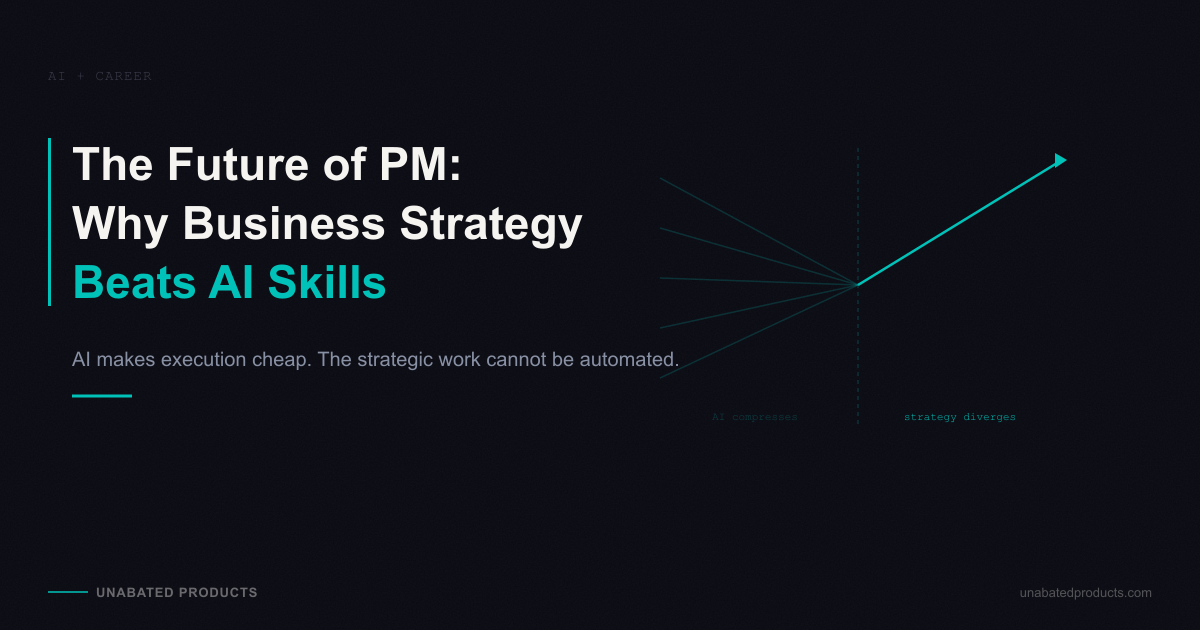
AI compresses the skill gap at the bottom. Every PM with Claude can write a PRD that looks senior. But the strategic work that actually moves products forward cannot be automated. The PM role is splitting in two, and you get to choose which side you are on.

Frameworks are teachable. Curiosity is not. After coaching 500+ PMs, the trait that separated promotions from plateaus was always the same.

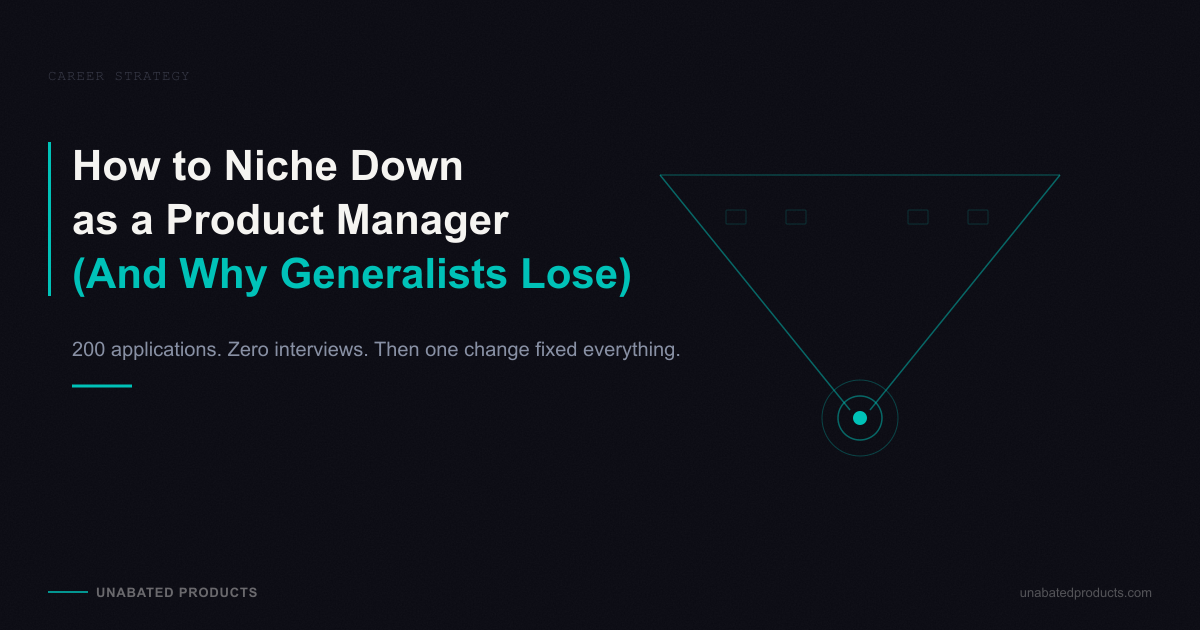
200 applications. Zero interviews. Most PMs position themselves as "B2B SaaS Product Manager" and compete with 50,000 others. The ones who get hired niche down until they're the only candidate who fits.

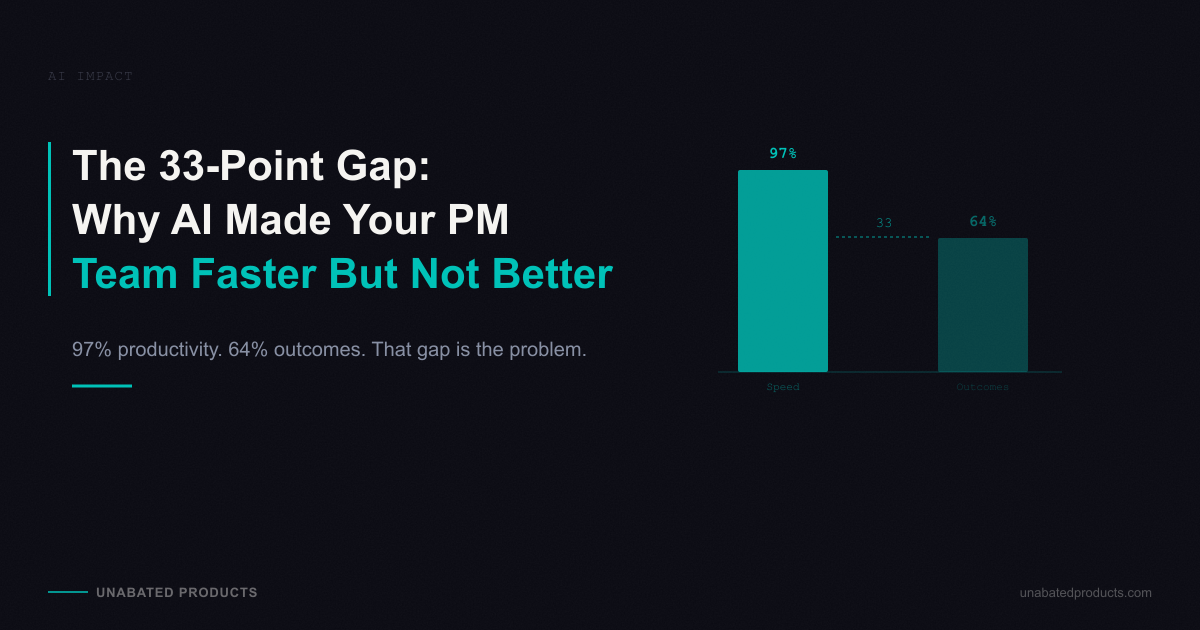
AI made your PM team faster at the part of their job that was never the hard part. After coaching 500+ PMs, the pattern is clear: delivery got faster, strategy stayed stuck. Here's why and what to do about it.

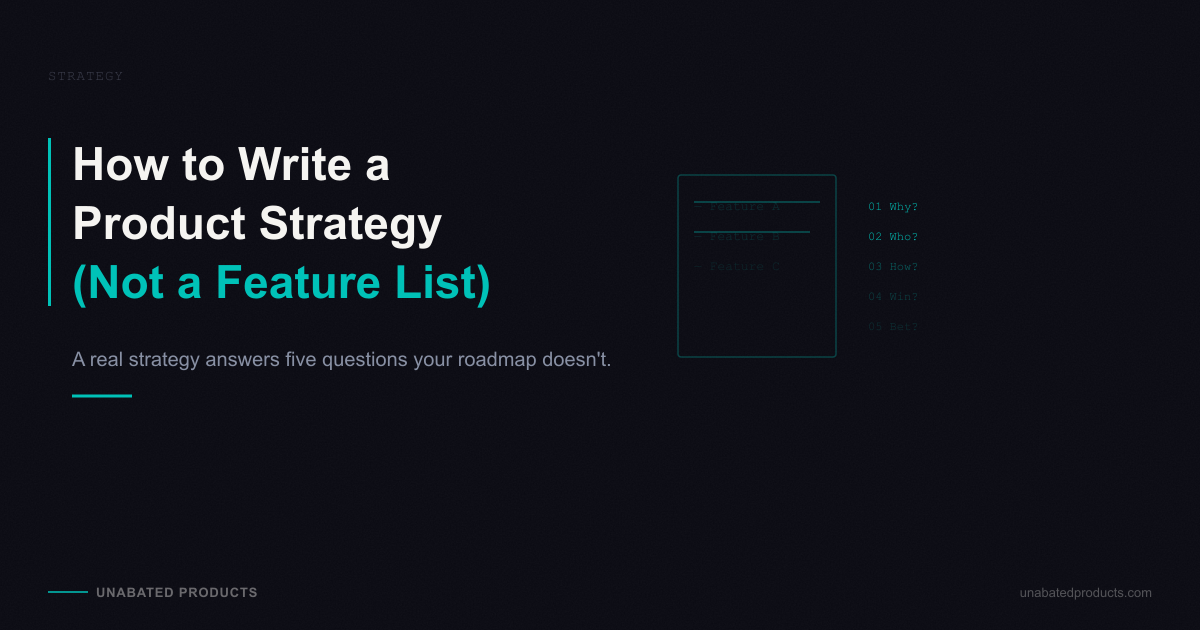
Most product strategies are feature roadmaps with dates. A real strategy answers five questions your roadmap doesn't. Here's the framework used to coach 500+ PMs.

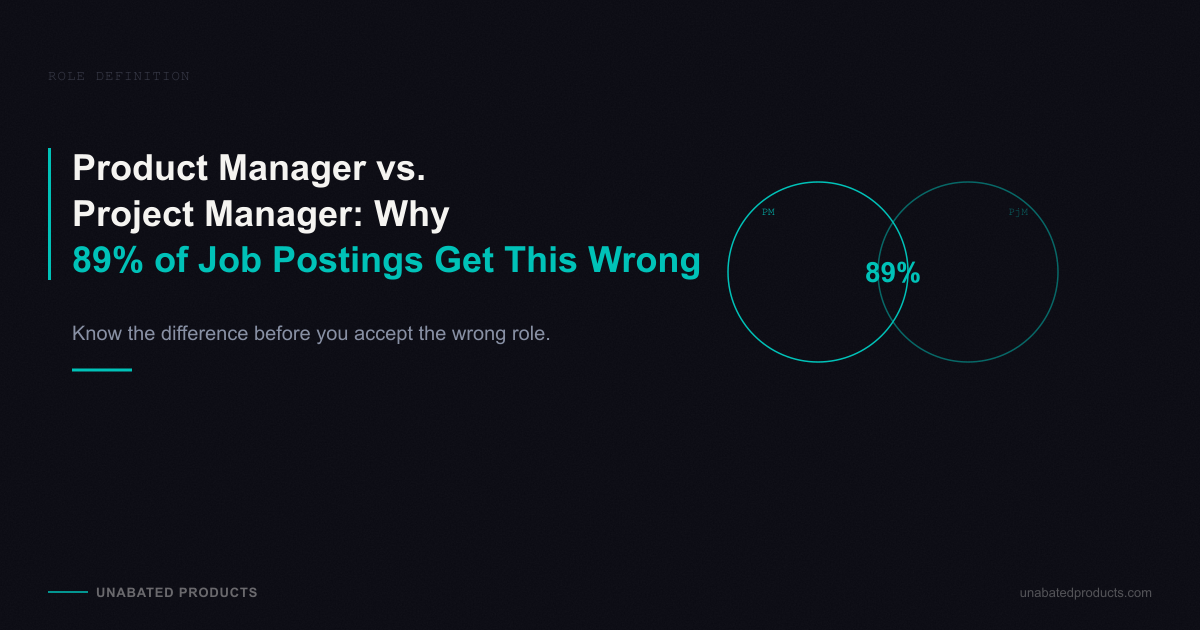
Read the responsibilities, not the title. Here's how to tell a product management role from a project management role before you accept it, and what to do if you're already in the wrong one.

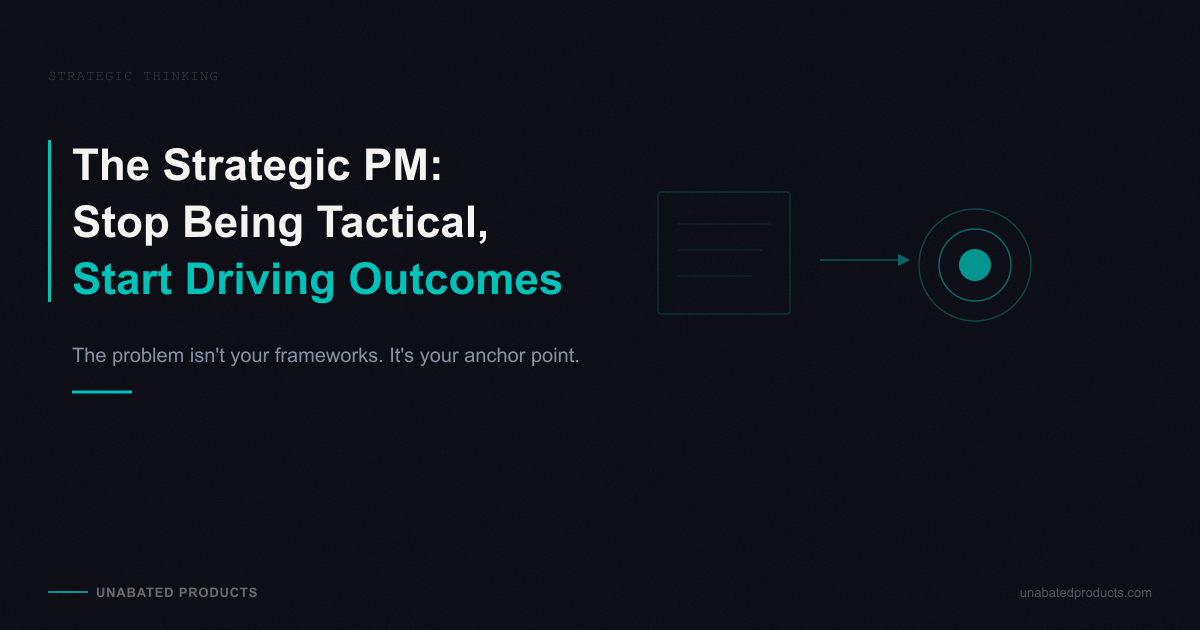
You've tried the frameworks. You understand Jobs to Be Done, OKRs, and product strategy theory. You still feel tactical. The problem isn't your frameworks. It's your anchor point. Here's how strategic PMs actually think differently.

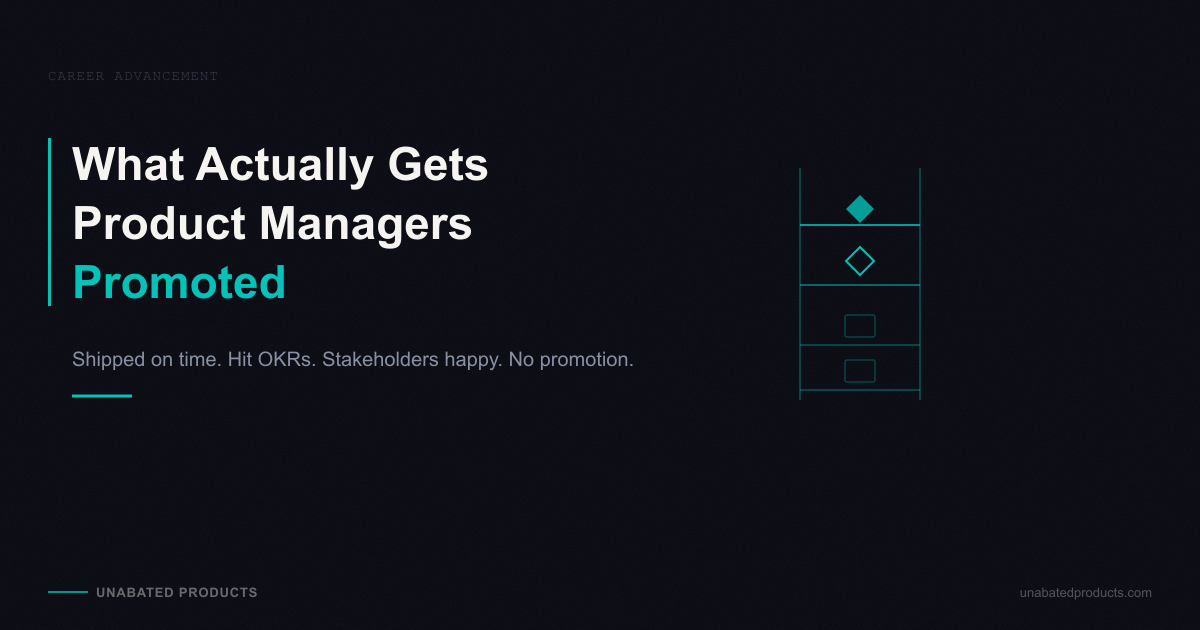
You've shipped on time. Hit your OKRs. Your stakeholders are happy. And you still didn't get promoted. The feedback is always the same: "more strategic thinking." Here's what that actually means and the four behaviors that differentiate PMs who advance from PMs who plateau.

Most PMs prepare the wrong thing for executive meetings. They optimize the slides. They tighten the narrative. The problem isn't the presentation. It's the language. Executives don't care about your roadmap. Here's what they actually care about and how to speak to it.

You were hired to own strategy. Instead you're taking tickets. The problem is not your company, your manager, or your stakeholders. It is one missing behavior that changes everything.

Most PMs think being strategic means better frameworks. The real gap is business acumen: the ability to translate product work into revenue, cost, and growth language. Here's what that actually looks like and how to build it.

Every PM training provider claims real-world curriculum and measurable outcomes. Most of them measure outcomes with a post-session survey. Here's the evaluation framework that separates real capability building from expensive PowerPoint.

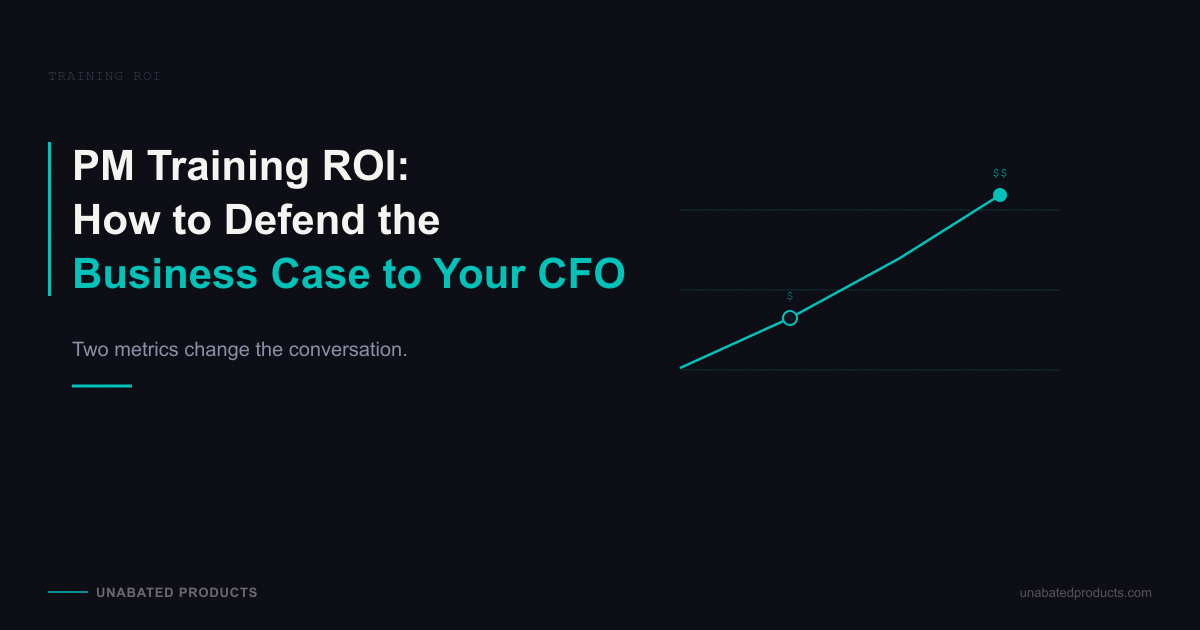
PM training ROI is one of the hardest budget conversations in L&D. Two metrics change that conversation. They are already in your CFO's vocabulary. Here's how to use them.

Most PM training programs generate satisfaction scores and nothing else. Here are the 5 questions that separate programs that actually change how your team thinks from programs that just check a box.

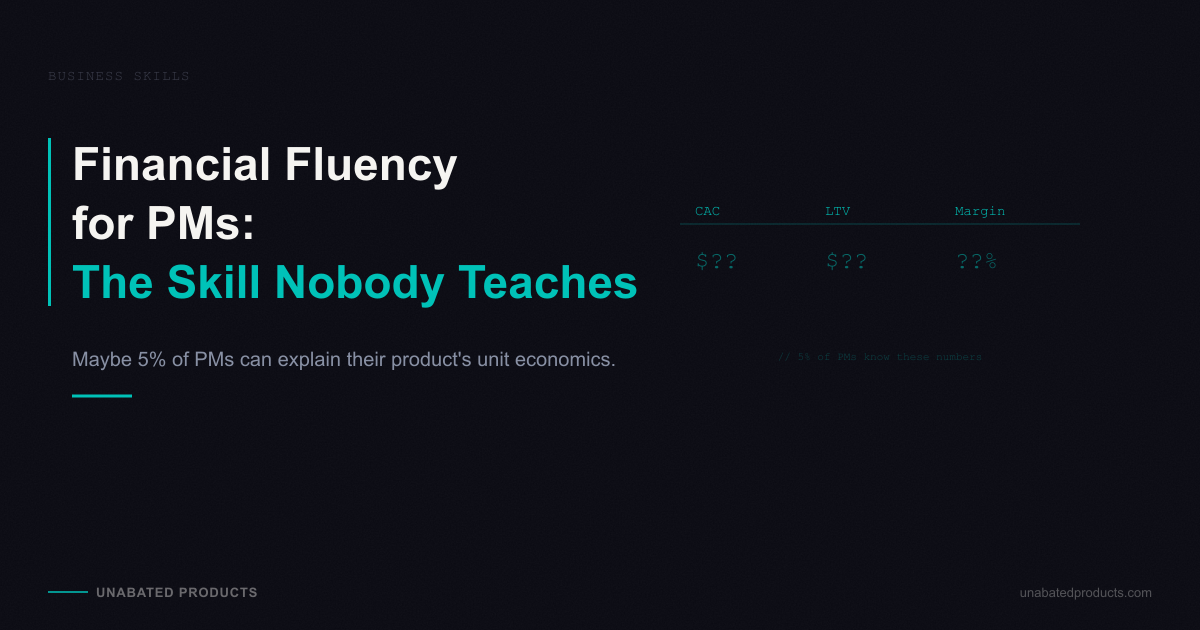
If you've been trying to talk to executives and struggling to make your numbers land, the gap isn't presentation skills. It's financial fluency. Most PM courses never teach it.

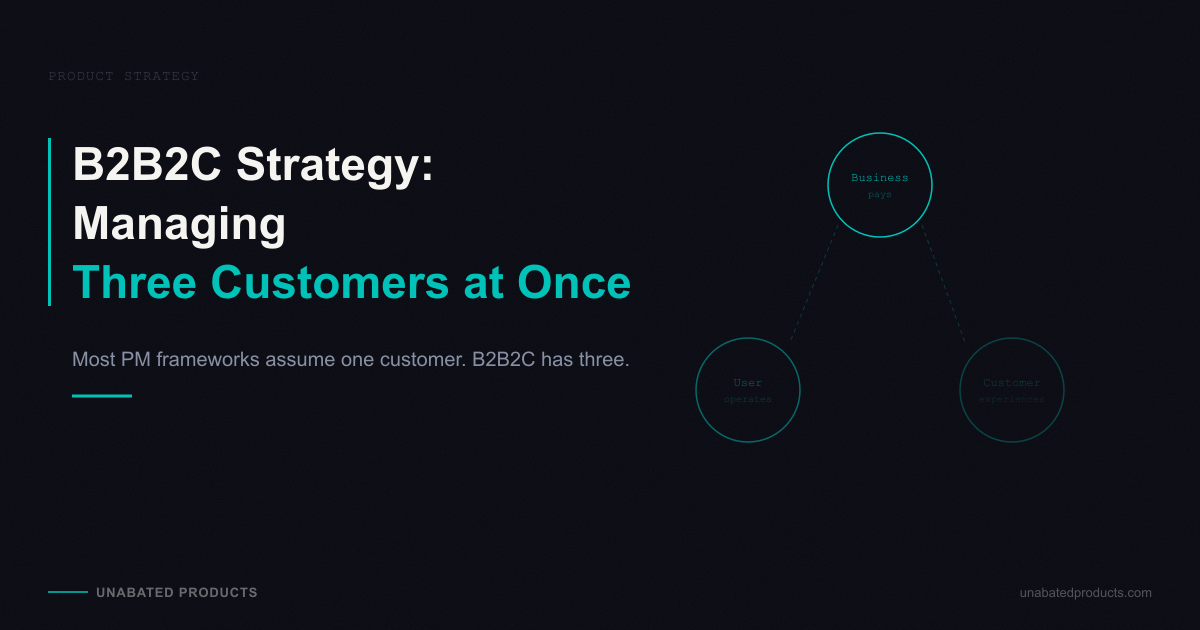
If you've been trying to keep three different customers happy and none of them are fully satisfied, you're facing the B2B2C challenge. Here's the framework that simplifies it.

If you've been trying to prove yourself fast in a new PM role and wondering why nobody listens yet, the problem isn't your ideas. It's your 90-day strategy.

200 applications. Zero interviews. Most PMs manage their careers the way bad PMs manage products: no segmentation, no positioning, no strategy. Here's how to fix that.

AI won't replace product managers. It will replace the backlog grooming, spec writing, and sprint coordination that PM job descriptions are built around. The skill that gets more valuable is the one nobody teaches.

After coaching 500+ PMs, one trait predicted who got promoted fastest. It wasn't frameworks or stakeholder management. It was curiosity. And you can't fake it.

Most PM interview prep focuses on your answers. The candidates who get offers focus on their questions. Here's the technique from coaching 500+ PMs that changes how interviewers see you.

If your internal product team treats every stakeholder request like a client engagement, you're running a consulting firm, not a product team. Here's the fix.

Adoption is the number you can report on day one, which is most of its appeal and all of its problem. Here is the sentence to write before you measure anything, and how to get your leadership to name it instead of you.

If your roadmap is a list of feature requests and success means "it shipped on time," you're in a feature factory. Here's how to tell and what to do about it.

Your stakeholders aren't irrational. They're optimizing for a system you can't see. Here's how to map their real incentives and stop getting blocked.